By Lexie Markarian, Director of Sales, Street Level Studio
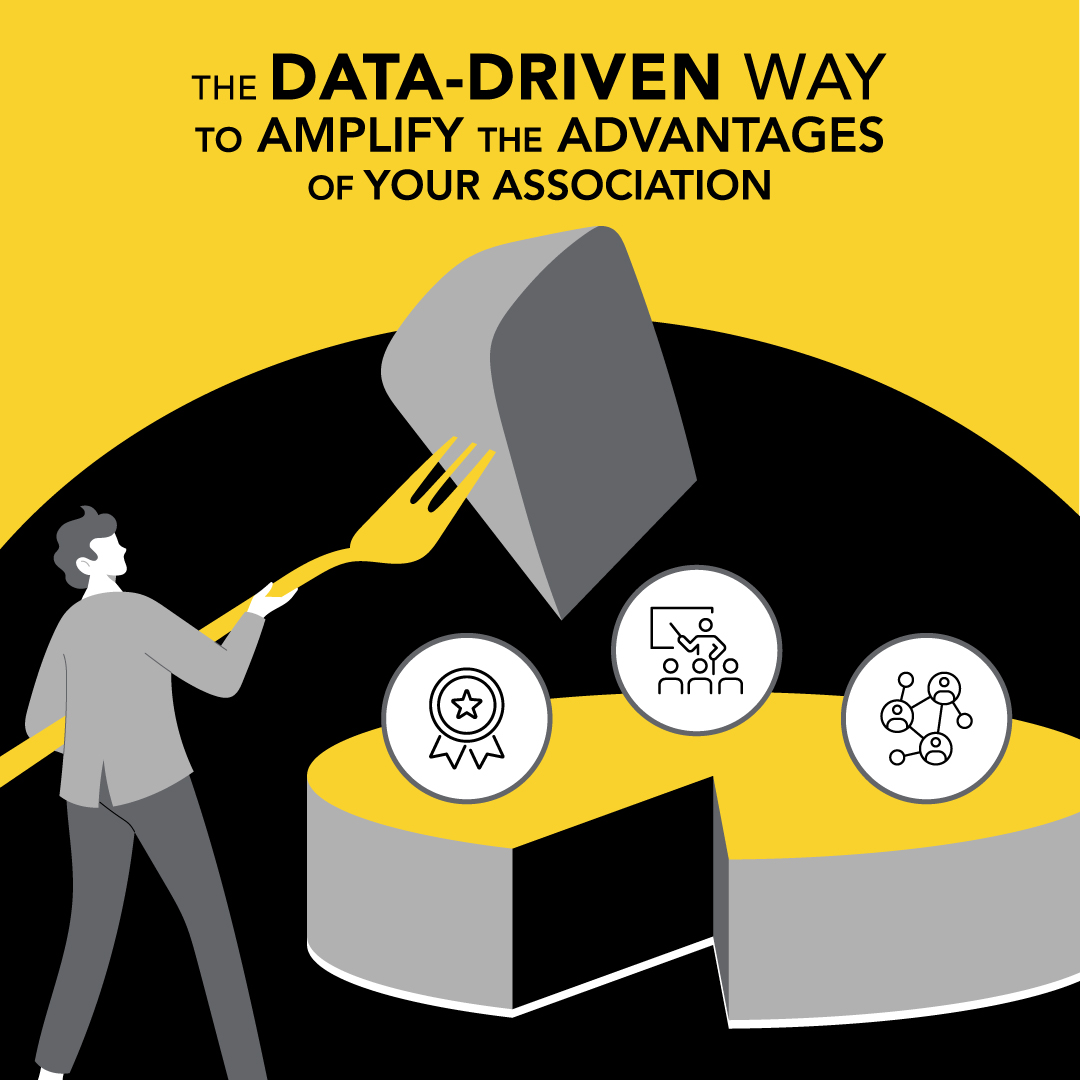
What’s the payback members expect from association membership? Lapel pins, tote bags, and coffee mugs are cool, but the substantive stuff comes in the form of industry-relevant training opportunities, career-boosting credentials, and networking events worth the time and trouble. These are the meat-and-potatoes of an association’s value for its members.
In the dozens of conversations I’ve had with association leaders throughout the year, I’ve heard an increasingly familiar frustration: Their slick certification program is under-enrolled. Annual conference attendance is sputtering. A credential that should be impressive within an industry barely gets traction beyond the association offering it.
Maybe the offerings are to blame, but I can’t believe these associations are so out of sync with member needs that they’ve become unappealing or irrelevant. My bet is that what’s missing is matching these certification programs, credentialing opportunities, and conferences to outreach programs that build awareness, generate excitement, and incentivize participation.
The summer might be winding down, but that doesn’t mean it’s too late to think about how to make your programs land harder in the year ahead. In fact, it’s imperative. Here’s where to start:
Position Before Promotion
It’s tempting to dive right into classic outreach strategies: an email barrage, amplified social media presence, an extra-snazzy conference booth. But a promotional plan built before positioning is resolved is a plan built on guesswork. Before you send out a single message, take time to answer five questions with real evidence, not assumptions carried over from last year:
- Who is your real primary audience? Find out what advantages current or prospective members are seeking through your association. It might be earning a sought-after credential, staying relevant in a fast-changing field, or ensuring preservation of professional benefits. If you can speak to their real needs, your message is more likely to be on target.
- Who is the secondary audience, and what do they need? For most training and certification programs, the person paying the bill and the person attending the program are not the same. Employers are a distinct audience with their own criteria: return on investment, appropriate time away from work, evidence that participation translates into better performance. If your research hasn’t separately examined what employers expect from your program, you’re only speaking to half of your audience.
- What is the actual value or core outcome participants experience? This should come from data, not intuition. Survey past participants. Study the results and identify what changed for participants professionally after completing the program. The gap between what an organization thinks it delivers and what participants say they received is typically where messaging veers off course.
- What is the documented career impact? A single testimonial can be an informative anecdote, but a pattern across dozens or hundreds of past members is valuable data that can shape what you say. Track the career advantages realized by the folks who earn those certifications. Capture feedback from conference attendees. This will add real-world credibility to outreach messaging on any platform.
- What does the competitive landscape look like? Professionals today have more options for credentialing, skill-building, and networking than ever: other associations, online universities, and professionally focused social media platforms, to name a few. Figure out where you sit in that landscape, and highlight what makes your program distinct. Bingo, you have the foundation of a message that actually differentiates you.
None of this requires exotic research. In fact, you probably already have a lot of this data within easy reach, thanks to member surveys, alumni outreach, and market intelligence. Gather that up and conduct some informed analysis before building your marketing plan. Use that to drive decisions instead of defaulting to what worked last year.
Use Newfound Clarity to Fine-Tune Messaging
Evidence-based positioning eliminates guesswork and fuels more strategic, audience-centric messaging. Now your primary audience can learn about career impact and professional identity, and your secondary audience is convinced there’s good return on investment. Neither feels like they’re getting a generic pitch, because your messaging has been purpose built for each.
Something to keep in mind, however, is the importance of maintaining a unifying narrative about your association. Recognize the likelihood that your research phase is as much about identifying the overarching, mission-focused messages that resonate with all of your audiences as it is about nuancing specific messages for different audience segments.
The Return on Data-Driven Awareness
For associations, brand awareness for a training program, certification, or event is directly tied to revenue, perceived value of membership, and marketplace relevance. Members have plenty of participation choices, and choosing not to participate at all is becoming an increasingly concerning choice.
Associations that build their outreach campaigns on solid research and analysis, who treat it as an ongoing discipline and not an occasional exercise, stand a better chance of recruiting and retaining more involved, impassioned membership.
Understanding how your members and their employers actually perceive your programs—and building the strategy to close the gap between the value you deliver and the awareness you’ve built—is exactly the kind of work Street Level Studio helps associations tackle every day.
Lexie Markarian is the Director of Sales at Street Level Studio, where she works with professional associations to build data-driven brand and marketing strategies for training, certification, and event programs.


